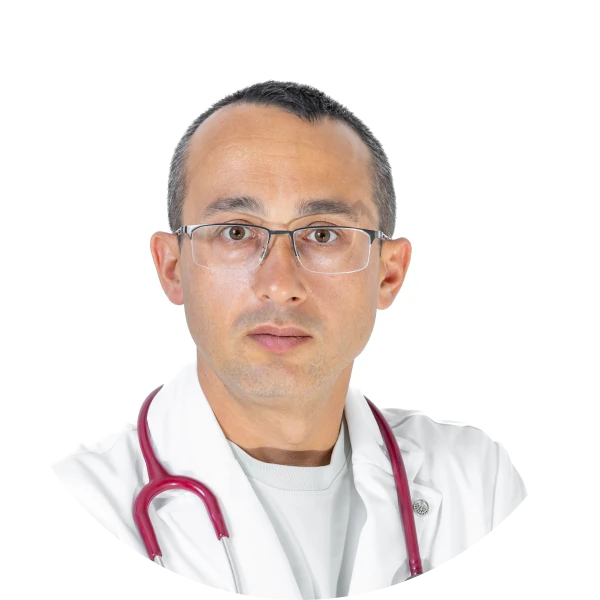
Dr. Kiril Feralliev
Cardiologist
Consultations and examinations in cardiology at Levitas Medical Center in Sofia.
Cardiologist
Cardiologist
Cardiology is a medical specialty within internal medicine focused on the diagnosis, treatment, and prevention of diseases of the heart and blood vessels.
A cardiologist provides medication-based treatment and performs catheter-based procedures, while a cardiothoracic surgeon performs heart surgery.
A consultation with a cardiologist is recommended if you experience:
Additionally, high blood pressure, shortness of breath, and fatigue during normal activities may indicate the need for cardiac evaluation.
Heart disease can sometimes be silent, with subtle symptoms such as fatigue, nausea, or discomfort in the back or neck, especially in women, older adults, and people with diabetes.
Good preparation helps ensure accurate diagnosis and effective treatment:
The visit typically begins with a detailed discussion of symptoms, chest pain, shortness of breath, palpitations, fatigue, dizziness, along with personal and family medical history and lifestyle factors.
A physical examination follows:
An electrocardiogram (ECG) is routinely performed, and if necessary, additional tests such as echocardiography, Holter monitoring, or laboratory tests may be ordered.
Finally, the cardiologist reviews the results and develops a personalized treatment plan, preventive strategy, and follow-up recommendations.
Choose a specialist or treatment and pick a time. It takes about a minute.